
 Máy tạo oxy y tế
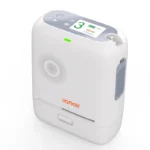 Máy tạo oxy di động
 Máy tạo oxy 3 lít


 Máy trợ thở


 Máy thở xâm lấn

 Mặt nạ thở

 Mặt nạ chụp mũi miệng
 Mặt nạ đệm mũi
 Thiết bị y tế tại nhà


 Hút đàm-Xông khí dung
 Phục hồi chức năng
 Đệm-Gậy-Nạng-Ghế Bô
 Thiết bị phòng khám
 Thiết bị đo đa ký

 Thiết bị sản khoa
 Dụng cụ phòng khám
TIN TỨC
How to Get a Sleep Test at Home – Step-by-Step Guide

Th11
Are you wondering how to get a sleep test at home in Vietnam without spending the night at a hospital? If you frequently snore, wake up feeling exhausted, experience breathing interruptions during sleep, or struggle with excessive daytime sleepiness, a home sleep apnea test may help investigate the cause of your symptoms. Home sleep apnea testing (HSAT), also known as home respiratory polygraphy in certain testing arrangements, allows selected breathing-related signals to be recorded while you sleep in your own bedroom. This option may be particularly convenient for busy professionals, international residents, and people who prefer a familiar sleeping environment. However, home sleep testing is not suitable for everyone. It is primarily used to help diagnose obstructive sleep apnea (OSA) in appropriately selected adults and does not replace comprehensive laboratory polysomnography for every sleep disorder.
In this guide, An Khanh Medical explains how to arrange a home sleep test in Vietnam, the step-by-step testing procedure, preparation requirements, estimated costs, and how to understand your results.
What Is a Home Sleep Test in Vietnam?
A home sleep test is a diagnostic investigation that uses portable monitoring equipment to record selected physiological signals during sleep. In Vietnam, home respiratory polygraphy is one of the options available to people being evaluated for possible sleep-related breathing disorders. Unlike comprehensive laboratory sleep studies, standard home sleep apnea testing usually focuses on breathing rather than measuring every stage of sleep.
What Is a Home Sleep Apnea Test (HSAT)?
A home sleep apnea test is a portable diagnostic procedure designed primarily to investigate suspected obstructive sleep apnea. Depending on the device, it records signals related to airflow, respiratory effort, blood oxygen saturation, and pulse rate. The collected information helps qualified healthcare professionals evaluate whether breathing interruptions may be occurring during sleep.
How Does a Home Sleep Test Work?
A patient receives a portable monitoring device and instructions for attaching the required sensors before bedtime. The equipment records selected breathing-related signals during the night while the patient sleeps at home. After testing, the recorded information is transferred for analysis and interpretation according to the provider’s procedures.
What Does a Home Sleep Test Measure?
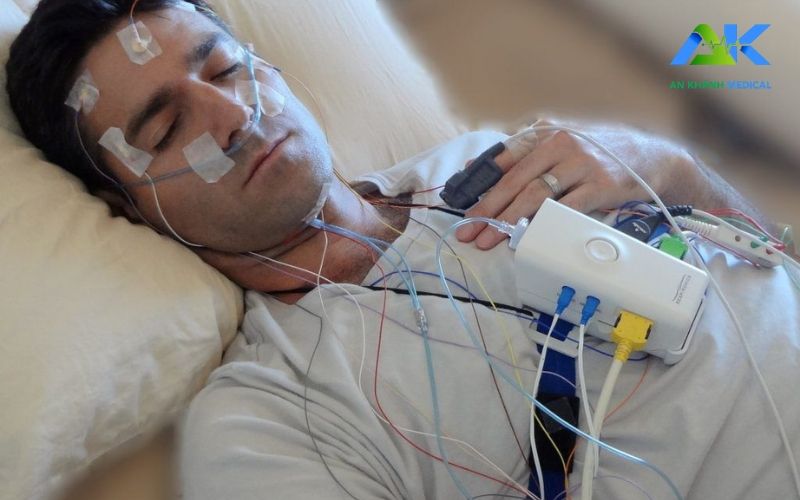
Home sleep apnea testing equipment may measure nasal airflow, chest or abdominal respiratory effort, blood oxygen saturation, pulse rate, and body position. The exact parameters depend on the device and its configuration. These measurements help identify possible apnea, hypopnea, and oxygen desaturation events associated with sleep-related breathing disorders.
Is a Home Sleep Test the Same as Polysomnography?
No. Full polysomnography (PSG) records brain activity, eye movements, muscle activity, breathing, and other physiological signals to assess sleep stages and abnormalities. Standard HSAT generally does not measure actual sleep stages and therefore cannot provide the same comprehensive diagnostic information. For a detailed explanation, read our guide to the differences between polysomnography and respiratory polygraphy.
Who Should Consider a Home Sleep Test?
Home sleep apnea testing may be helpful for adults experiencing symptoms associated with obstructive sleep apnea. However, a clinical assessment is important because symptoms such as fatigue and poor sleep can have many different causes.
Common Symptoms of Obstructive Sleep Apnea
Common warning signs include loud snoring, witnessed breathing pauses, gasping during sleep, and excessive daytime sleepiness. Some people also experience morning headaches, difficulty concentrating, or waking up feeling unrefreshed. These symptoms may suggest a sleep-related breathing disorder but cannot establish a diagnosis without appropriate evaluation.
Who Is Suitable for Home Sleep Apnea Testing?
HSAT is generally considered for medically uncomplicated adults with an increased likelihood of moderate-to-severe obstructive sleep apnea. A healthcare professional evaluates symptoms, medical history, and other relevant factors before recommending testing. The suitability of HSAT should not be determined solely by convenience or cost.
Who May Need an In-Lab Sleep Study Instead?
Patients with significant cardiopulmonary disease, suspected central sleep apnea, possible hypoventilation, or other complex medical conditions may require laboratory polysomnography. PSG may also be appropriate when another sleep disorder is suspected or when severe insomnia could interfere with home testing. A clinician should determine which examination is most suitable.
Can Foreigners Get a Home Sleep Test in Vietnam?
International residents and foreign visitors can inquire about home sleep testing services in Vietnam. Before arranging an appointment, they should confirm the provider’s service area, language assistance, equipment arrangements, and reporting process. Availability of English-language support and translated reports depends on the individual provider.
How to Get a Sleep Test at Home in Vietnam – Step-by-Step Process
Understanding how to get a sleep test at home in Vietnam can make the experience easier and help you prepare for each stage of the procedure. The process generally involves medical assessment, selecting a provider, receiving monitoring equipment, completing an overnight recording, and reviewing the results with a qualified healthcare professional.
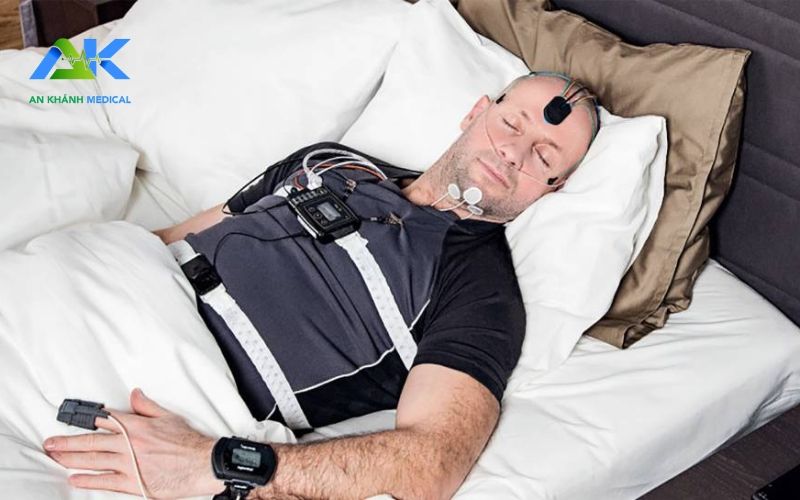
Step 1 – Identify Your Sleep Apnea Symptoms
Begin by recording symptoms such as loud snoring, breathing interruptions, nighttime gasping, or excessive daytime fatigue. It may also be useful to ask a family member whether they have noticed unusual breathing patterns while you sleep. Keeping a simple sleep diary can help a healthcare professional understand your concerns.
Step 2 – Consult a Healthcare Professional
A medical consultation helps determine whether your symptoms suggest obstructive sleep apnea or another sleep disorder. The clinician may ask about your medical history, medications, sleep schedule, and existing health conditions. Based on this assessment, they can recommend HSAT, laboratory polysomnography, or another investigation.
Step 3 – Find a Reliable Home Sleep Testing Provider
Look for a provider that clearly explains its testing equipment, procedures, fees, and result interpretation arrangements. Ask whether the service includes technical assistance and how incomplete recordings are handled. A reliable testing process should also include appropriate medical oversight rather than relying only on automatically generated device results.
Step 4 – Book Your Home Sleep Apnea Test
Contact the selected provider to ask about available appointments and testing requirements. Confirm the total fee, service coverage, equipment delivery or collection arrangements, and expected reporting time. If you are a foreign resident, ask whether instructions and communication are available in English.
Step 5 – Receive the Sleep Monitoring Equipment
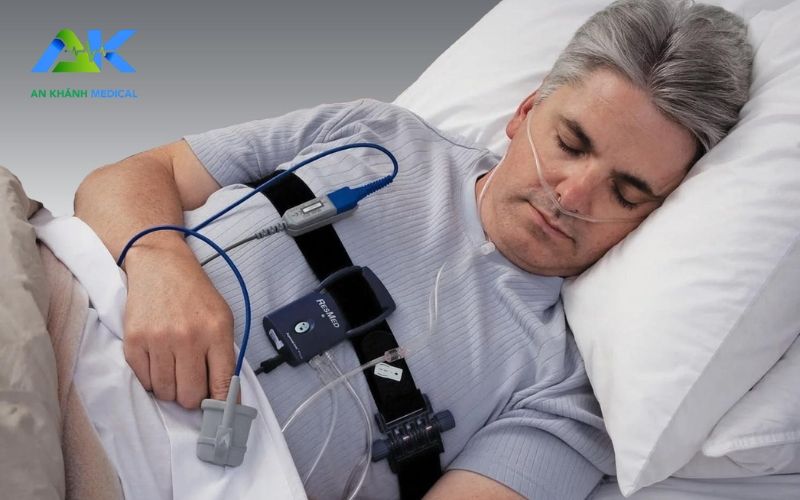
Depending on the provider, the device may be delivered, collected from a facility, or prepared during an in-person setup appointment. The package may include a recording unit, nasal cannula, respiratory effort belt, and pulse oximeter. Check that the equipment is complete and that you understand how to use it before the scheduled test.
Step 6 – Set Up the Sensors Before Bedtime
Follow the supplied instructions to position the monitoring equipment correctly. Depending on the device, this may involve wearing a respiratory belt, placing a nasal cannula, and attaching a finger oxygen sensor. Correct sensor placement is important because loose or disconnected equipment can result in missing data.
Step 7 – Complete the Overnight Recording at Home
Once the equipment is attached, start the recording according to the provider’s instructions and attempt to follow your normal sleep routine. Try to keep the sensors connected throughout the night. If you wake up or need to use the bathroom, follow the instructions provided for managing the equipment safely.
Step 8 – Return the Equipment and Receive Your Results
After the recording, remove the sensors as instructed and return the equipment through the agreed procedure. The provider will check whether the recording contains sufficient usable data. Reporting times vary, so ask when the analyzed results and any medical interpretation will be available.
Step 9 – Review Your Results With a Sleep Specialist
A qualified healthcare professional should interpret the results alongside your symptoms and medical history. The report may indicate whether breathing disturbances suggest obstructive sleep apnea and whether further evaluation is necessary. Do not start or change treatment solely on the basis of an automatically generated report.
For information about arranging home respiratory monitoring, visit An Khanh Medical’s home respiratory polygraphy service.
How to Prepare for a Home Sleep Test
Proper preparation can improve recording quality and reduce the risk of needing another examination. Always follow the specific instructions provided by your clinician or testing service.
Maintain Your Normal Sleep Routine
Unless your healthcare professional advises otherwise, try to maintain your usual sleep schedule before the examination. Avoid deliberately staying awake or changing your bedtime to influence the results. The goal is to obtain information that reasonably reflects your normal sleep-related breathing patterns.
Avoid Alcohol and Follow Caffeine Instructions
Alcohol can affect breathing and sleep quality, while caffeine may interfere with falling asleep. Your provider may recommend avoiding certain substances before testing. Follow their specific preparation instructions and ask for clarification if you are unsure.
Prepare Your Bedroom and Sleeping Environment
Choose a comfortable sleeping area where the monitoring equipment can remain secure throughout the night. Keep the device and any required accessories within easy reach. Before bedtime, make sure you understand how to start the recording and what to do if a technical problem occurs.
How to Wear a Nasal Cannula and Pulse Oximeter
A nasal cannula is commonly positioned beneath the nostrils to measure airflow, while a pulse oximeter is usually attached to a finger. Some devices also use a belt around the chest or abdomen to monitor respiratory effort. Sensor placement varies by equipment model, so the provider’s instructions should take priority over generic advice.
What to Do If a Sensor Falls Off During Sleep
If you notice that a sensor has become disconnected, follow the instructions provided for reconnecting it safely. Do not make unfamiliar adjustments that could damage the equipment or affect the recording. Inform the provider about any problems so they can determine whether the data remains usable.
How Much Does a Home Sleep Test Cost in Vietnam?
Cost is an important consideration for people researching how to get a sleep test at home in Vietnam. Prices vary depending on the provider, device, service location, and medical support included. Patients should request a complete quotation before booking rather than comparing only the advertised base fee.
Average Home Sleep Apnea Test Price in Vietnam
There is no single nationwide price for home sleep apnea testing in Vietnam. Fees depend on the testing provider and the services included in the package. Patients should compare current quotations and confirm whether the price includes equipment use, data analysis, and professional interpretation.
Home Sleep Test Cost in Ho Chi Minh City
An Khanh Medical has previously advertised an indicative price of VND 1,500,000 per home respiratory polygraphy test. This amount is provided as a reference and should be confirmed directly before booking. Prices from other providers may differ according to equipment, service coverage, and included medical support.
What Is Included in the Testing Fee?
A home sleep testing package may include equipment rental or use, setup instructions, overnight recording, data processing, and a report. Some providers also include technical assistance or a consultation. Ask for written confirmation of what is included to avoid confusion about the final cost.
Are There Additional Fees for Home Sleep Testing?
Additional charges may apply for transportation, specialist consultation, repeat testing, or services outside the standard coverage area. The exact conditions depend on the provider’s policies. Confirm whether a technically unsuccessful recording can be repeated and whether that involves another fee.
Is Home Sleep Testing Cheaper Than Hospital PSG?
HSAT generally costs less than full laboratory polysomnography because it uses fewer sensors and does not require the same overnight laboratory resources. However, PSG provides broader physiological monitoring and may be medically necessary. The two procedures should not be treated as interchangeable simply because one is more affordable.
For additional information, read our article about sleep study costs and polysomnography pricing.
How to Understand Your Home Sleep Test Results
A home sleep apnea test report may contain respiratory measurements, oxygen saturation data, and indices related to breathing disturbances.
These measurements are useful, but they must be interpreted in the context of the patient’s symptoms and medical history.
What Is the Respiratory Event Index (REI)?
The respiratory event index describes the number of recorded respiratory events relative to a specified monitoring period. In many standard HSAT systems, REI is calculated using monitoring time rather than actual sleep time. This distinction matters because it can affect how respiratory disturbance severity is estimated.
Understanding AHI and Sleep Apnea Severity
The apnea-hypopnea index (AHI) measures apnea and hypopnea events per hour of sleep and is commonly used in laboratory polysomnography. In adults, values of 5–14.9, 15–29.9, and 30 or more events per hour are commonly associated with mild, moderate, and severe OSA when interpreted appropriately. However, HSAT reports may use REI or device-specific indices, which should not automatically be treated as identical to PSG-derived AHI.
What Does SpO2 Mean in a Sleep Test Report?
SpO2 represents an estimate of blood oxygen saturation measured by a pulse oximeter. A home sleep test may record oxygen decreases associated with respiratory events during sleep. These findings require interpretation because oxygen levels can also be affected by other medical conditions and technical factors.
What Happens If Your Home Sleep Test Is Negative?
A negative HSAT does not always exclude obstructive sleep apnea, particularly when symptoms strongly suggest the condition. Technical limitations or insufficient usable recording data may affect the result. If suspicion remains, a healthcare professional may recommend laboratory polysomnography.
When Do You Need Additional Sleep Testing?
Further testing may be necessary when the initial recording is incomplete, results are inconclusive, or symptoms cannot be adequately explained. Patients with suspected sleep disorders other than OSA may also need different diagnostic investigations. The decision should follow professional medical evaluation.
For a clearer understanding of sleep apnea indices, read what the AHI score means and how it is interpreted.
Where Can You Book a Home Sleep Test in Vietnam?
Home sleep testing availability varies by city and provider. Patients should confirm the actual service area and the type of diagnostic examination offered before scheduling.
Home Sleep Testing Services in Ho Chi Minh City
People living in Ho Chi Minh City can inquire about home respiratory polygraphy services through medical equipment providers and healthcare facilities offering sleep-related assessments. Before booking, ask whether the service includes equipment setup guidance and arrangements for interpreting results. An Khanh Medical is one provider customers can contact for information about home respiratory polygraphy.
Home Sleep Apnea Testing in Hanoi and Other Cities
Patients outside Ho Chi Minh City should contact local hospitals or qualified sleep testing providers to confirm available services. Home testing arrangements may differ between locations. Equipment delivery, technical assistance, and report interpretation should be clarified before booking.
How to Choose a Reliable Sleep Testing Provider
A provider should clearly identify the type of test offered and explain its diagnostic limitations. Ask about the monitoring equipment, technical support, medical interpretation, and procedures for inadequate recordings. Transparent pricing and clear communication are also important considerations.
Questions to Ask Before Booking a Home Sleep Test
Before making an appointment, ask what the test measures, how equipment is provided, and who interprets the results. Confirm the total price, expected reporting time, and whether follow-up consultation is included. You should also ask what happens if the recording is technically unsuccessful.
English-Language Support for Expats in Vietnam
Foreign residents may prefer providers that offer clear instructions and communication in English. However, English-language assistance and translated medical reports are not guaranteed at every facility. Confirm these arrangements directly before scheduling a home sleep test.
Book a Home Sleep Apnea Test With An Khanh Medical
If you are researching how to get a sleep test at home in Vietnam, An Khanh Medical provides information about home respiratory polygraphy services for people concerned about possible obstructive sleep apnea. The company can be contacted to discuss service arrangements, equipment availability, and current pricing.


Home Respiratory Polygraphy Services at An Khanh Medical
An Khanh Medical offers information about home respiratory polygraphy testing for customers in Ho Chi Minh City. The procedure uses portable equipment to record selected breathing-related signals during sleep. Patients should confirm their suitability for HSAT through appropriate medical evaluation before arranging the test.
Sleep Monitoring Equipment and Technical Guidance
Home respiratory polygraphy equipment typically includes sensors designed to monitor breathing patterns and oxygen saturation. Proper setup is important for obtaining usable recordings. Customers should confirm which equipment is provided, what instructions are included, and whether technical assistance is available.
How to Check Prices and Service Availability
An Khanh Medical has previously advertised an indicative home respiratory polygraphy price of VND 1,500,000 per test. This amount should be reconfirmed before booking because pricing and service arrangements may change. Customers should also ask about coverage areas, included services, and any additional charges.
Contact An Khanh Medical to Arrange a Home Sleep Test
Customers can visit An Khanh Medical’s home respiratory polygraphy service page to learn more about the available service. Contacting the company directly allows you to confirm equipment arrangements, pricing, and appointment availability. A qualified healthcare professional should determine the appropriate diagnostic method and interpret the results.
An Khanh Medical – Contact Information
- Address: 18A Cach Mang, Phu Tho Hoa Ward, Ho Chi Minh City, Vietnam
- Hotline/Zalo: +84 969 570 676
- Website: https://ankhanhmedical.vn/
- Service: Home respiratory polygraphy testing
- Indicative price: VND 1,500,000 per test (subject to confirmation)
Conclusion – Getting a Home Sleep Test in Vietnam
Understanding how to get a sleep test at home in Vietnam can help you prepare for an appropriate evaluation of suspected sleep apnea. The process generally begins with recognizing symptoms and seeking medical advice, followed by choosing a suitable provider, completing an overnight recording, and reviewing the findings with a qualified professional. For eligible adults with suspected obstructive sleep apnea, home respiratory polygraphy may provide a convenient way to collect important breathing-related information while sleeping in a familiar environment. However, it cannot replace comprehensive polysomnography in every clinical situation.
If you would like to learn more about home respiratory polygraphy in Ho Chi Minh City, contact An Khanh Medical at +84 969 570 676 or visit the official An Khanh Medical website for service information.
Medical disclaimer: This article is intended for general educational purposes and does not replace professional medical evaluation, diagnosis, or treatment.
Hotline: 0969.570.676
Địa chỉ: 18A Cách Mạng, Phường Phú Thọ Hòa, Hồ Chí Minh
Website: https://ankhanhmedical.vn/


