
 Máy tạo oxy y tế
 Máy tạo oxy di động
 Máy tạo oxy 3 lít


 Máy trợ thở


 Máy thở xâm lấn

 Mặt nạ thở

 Mặt nạ chụp mũi miệng
 Mặt nạ đệm mũi
 Thiết bị y tế tại nhà


 Hút đàm-Xông khí dung
 Phục hồi chức năng
 Đệm-Gậy-Nạng-Ghế Bô
 Thiết bị phòng khám
 Thiết bị đo đa ký

 Thiết bị sản khoa
 Dụng cụ phòng khám
TIN TỨC
Diagnostic Methods for Sleep Disorders in HCMC
Th11
Are you searching for diagnostic methods for sleep disorders in HCMC because of persistent insomnia, loud snoring, breathing interruptions during sleep, or excessive daytime fatigue? Sleep disorders can affect physical health, mental well-being, concentration, and overall quality of life. However, different sleep conditions have different causes, and no single diagnostic test is suitable for every patient. In Ho Chi Minh City, several methods are used to investigate sleep disorders, including specialist consultations, sleep questionnaires, home sleep apnea testing (HSAT), overnight polysomnography (PSG), actigraphy, and other specialized assessments.
In this guide, An Khanh Medical explains the diagnostic methods for sleep disorders available in Ho Chi Minh City, their advantages and limitations, estimated testing costs, and how to choose an appropriate sleep evaluation.
What Are Diagnostic Methods for Sleep Disorders in HCMC?
What Are Sleep Disorders?
Sleep disorders are conditions that affect sleep duration, quality, timing, or behavior during sleep. People may experience difficulty falling asleep, frequent awakenings, unrefreshing sleep, or excessive daytime sleepiness. Some disorders also involve abnormal breathing, body movements, or unusual behaviors during sleep.
Common Types of Sleep Disorders
Common sleep disorders include chronic insomnia, obstructive sleep apnea, circadian rhythm sleep-wake disorders, and restless legs syndrome. Other conditions include narcolepsy, REM sleep behavior disorder, and sleep-related movement disorders. Each condition has distinct characteristics and may require a different diagnostic approach.
Why Is Accurate Sleep Disorder Diagnosis Important?
Symptoms such as fatigue, poor concentration, and disrupted sleep can occur in several different medical conditions. Relying on symptoms alone may lead to incorrect assumptions about the underlying problem. An accurate diagnosis helps healthcare professionals recommend appropriate treatment, monitor progress, and avoid unnecessary interventions.
When Should You Seek Medical Evaluation for Sleep Problems?
People who experience persistent insomnia, loud snoring, witnessed breathing pauses, or excessive daytime sleepiness should consider medical evaluation. Unusual movements, shouting, or potentially dangerous behaviors during sleep may also require assessment. If symptoms continue or interfere with daily life, professional evaluation is preferable to attempting treatment without identifying the cause.
Common Diagnostic Methods for Sleep Disorders in HCMC
When researching diagnostic methods for sleep disorders in HCMC, patients may encounter several different assessment techniques. Each method is designed to investigate particular aspects of sleep or specific medical concerns. Healthcare professionals usually begin with a clinical consultation and medical history before recommending additional tests when necessary.
Clinical Examination and Sleep History Assessment
A clinical consultation is often the first step in evaluating sleep disorders. A healthcare professional may ask about bedtime routines, sleep duration, nighttime awakenings, daytime symptoms, and existing medical conditions. Information about medications, caffeine consumption, work schedules, and lifestyle habits can also help identify possible causes.
Sleep Quality Questionnaires and Screening Tools
Questionnaires such as the Pittsburgh Sleep Quality Index (PSQI), Epworth Sleepiness Scale (ESS), and STOP-Bang can help assess sleep quality, daytime sleepiness, or the risk of certain sleep disorders. These tools provide structured information about symptoms. However, questionnaires alone cannot replace clinical evaluation or confirm every sleep disorder diagnosis.
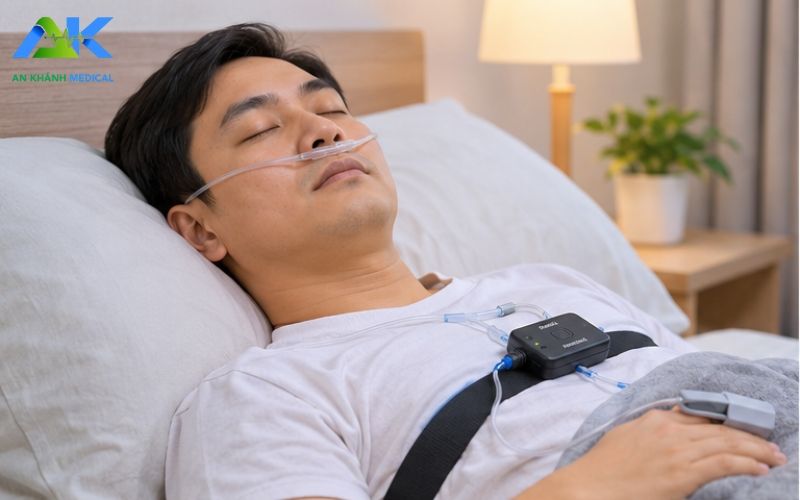
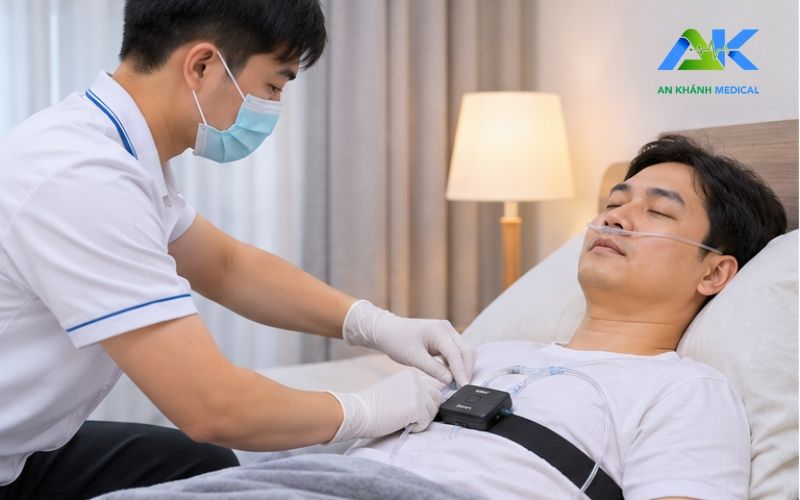
Home Sleep Apnea Testing (HSAT)
Home sleep apnea testing uses specialized equipment to record selected respiratory signals during sleep. Depending on the device, measurements may include airflow, respiratory effort, oxygen saturation, and pulse rate. HSAT is primarily used to help diagnose obstructive sleep apnea in appropriately selected adults rather than investigate every type of sleep disorder.
Overnight Polysomnography (PSG)
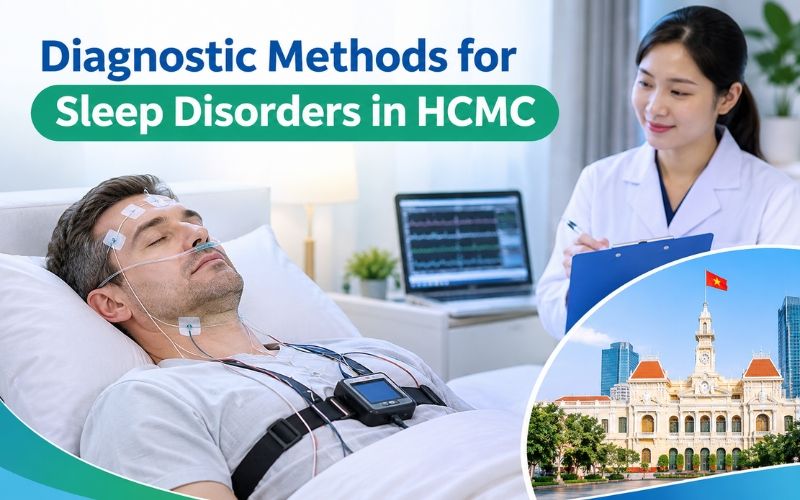
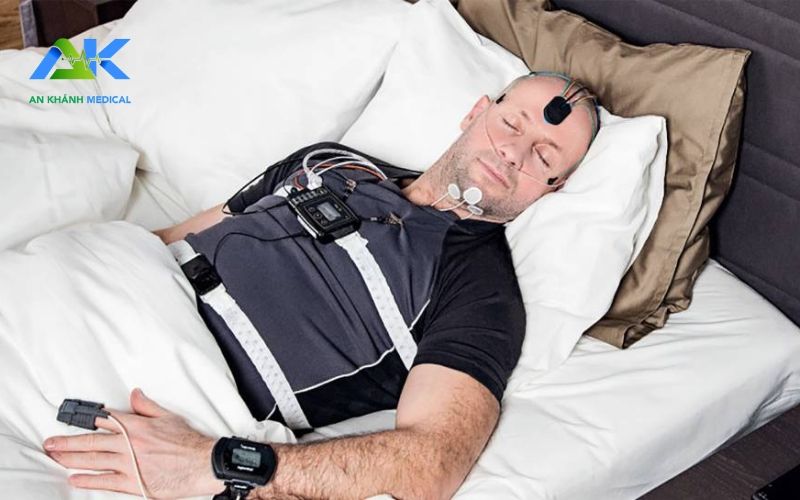
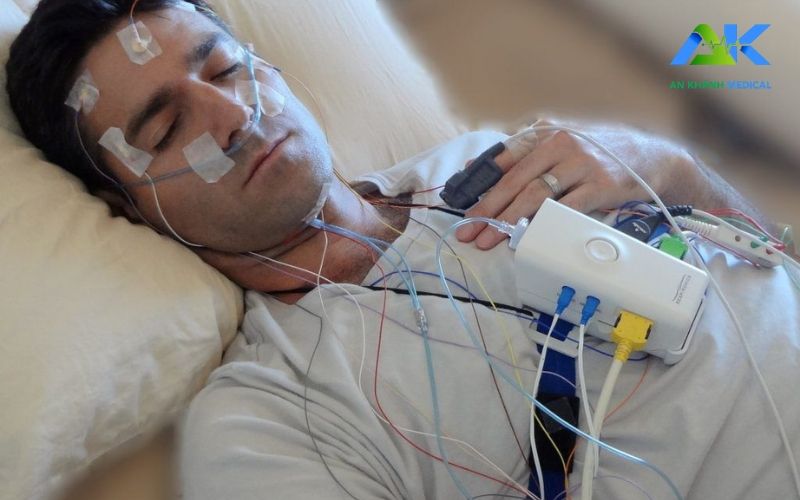
Polysomnography is a comprehensive sleep study that records multiple physiological signals, including brain activity, eye movements, muscle activity, heart rhythm, and breathing. These measurements allow specialists to evaluate sleep stages and identify certain abnormalities. PSG is commonly performed in a sleep laboratory and plays an important role in investigating complex sleep disorders.
Actigraphy for Sleep-Wake Cycle Monitoring
Actigraphy uses a wearable device to record movement over several days or weeks, helping estimate patterns of sleep and wakefulness. It may be useful when evaluating sleep timing, irregular sleep schedules, or suspected circadian rhythm disorders. However, actigraphy cannot replace polysomnography when detailed sleep staging or respiratory monitoring is required.
Multiple Sleep Latency Test (MSLT)
The Multiple Sleep Latency Test measures how quickly a person falls asleep during several scheduled daytime nap opportunities. It is used in specialist evaluations of narcolepsy and certain other conditions associated with excessive daytime sleepiness. MSLT usually follows a carefully controlled protocol, often including overnight polysomnography before the daytime test.
Additional Tests Recommended by a Doctor
Depending on the patient’s symptoms, a healthcare professional may recommend blood tests, thyroid function assessment, or investigations for related medical conditions. Some patients may also require neurological, respiratory, or mental health evaluation. Additional tests are selected according to individual needs and are not necessary for everyone with sleep difficulties.
Home Sleep Apnea Testing – A Method for Evaluating Sleep-Related Breathing Disorders
Home sleep apnea testing is frequently discussed by people looking for sleep apnea evaluation in Ho Chi Minh City. It allows selected respiratory measurements to be recorded in the patient’s usual sleeping environment. However, HSAT is suitable only for certain patients and must be ordered and interpreted appropriately.
What Is a Home Sleep Apnea Test?
A home sleep apnea test uses portable monitoring equipment to record respiratory signals while a patient sleeps at home. Its main purpose is to help identify breathing interruptions associated with obstructive sleep apnea. HSAT is generally considered for medically uncomplicated adults with an increased likelihood of moderate-to-severe OSA.
What Parameters Does Home Respiratory Polygraphy Measure?
Depending on the equipment, HSAT may measure nasal airflow, respiratory effort, blood oxygen saturation, and pulse rate. These signals help identify possible apnea and hypopnea events during the night. Some reports also include a respiratory event index (REI) and measurements related to oxygen desaturation.
Advantages of Home Sleep Apnea Testing
One of the main advantages of HSAT is that eligible patients can complete the test in their familiar sleeping environment without staying overnight in a hospital. Portable devices are generally compact and involve fewer sensors than full polysomnography. This may be particularly convenient for busy professionals and international residents in Ho Chi Minh City.
Limitations of HSAT in Sleep Disorder Diagnosis
Standard HSAT usually does not record the brain activity required to determine actual sleep stages. Consequently, it may underestimate respiratory disturbance severity in some patients and cannot comprehensively diagnose insomnia, movement disorders, or unusual sleep behaviors. If results are negative or inconclusive despite continued suspicion of OSA, a clinician may recommend polysomnography.
Who Is Suitable for Home Sleep Apnea Testing?
HSAT is generally considered for adults with a high likelihood of moderate-to-severe obstructive sleep apnea who do not have significant complicating medical conditions. Loud snoring, witnessed breathing pauses, and daytime sleepiness may prompt an evaluation. Patients with significant cardiopulmonary disease, suspected central sleep apnea, or hypoventilation may require more comprehensive testing.
To learn more, visit An Khanh Medical’s home respiratory polygraphy service.
What Sleep Disorders Can Polysomnography (PSG) Help Diagnose?
Polysomnography is a comprehensive sleep investigation because it records multiple physiological signals simultaneously. It is especially valuable when specialists need to evaluate sleep architecture or investigate abnormalities that cannot be adequately assessed through home respiratory testing. However, not everyone experiencing insomnia or other sleep problems needs PSG.
What Is Overnight Polysomnography?
Overnight polysomnography is a diagnostic test that monitors physiological activity during sleep using specialized sensors. It records information related to brain activity, eye movements, muscle activity, heart function, and breathing. These measurements help clinicians evaluate sleep structure and identify abnormalities requiring further investigation.
What Measurements Are Recorded During PSG?
A typical PSG study records electroencephalography (EEG), electrooculography (EOG), electromyography (EMG), electrocardiography (ECG), airflow, and oxygen saturation. Depending on the setup, respiratory effort, body position, and leg movements may also be monitored. These measurements allow specialists to analyze sleep stages and physiological events throughout the night.
How Does PSG Help Diagnose Sleep Apnea?
PSG records apnea and hypopnea events while also measuring the patient’s actual sleep time. This allows clinicians to calculate the apnea-hypopnea index (AHI) and assess the severity of sleep-related breathing disturbances. PSG is particularly useful when different breathing disorders need to be distinguished or when home testing has not provided sufficient information.
The Role of PSG in Movement and Behavioral Sleep Disorders
PSG may help investigate certain abnormal movements and behaviors that occur during sleep. In appropriate cases, video monitoring can be combined with physiological recordings to examine these events more closely. Diagnosis still requires consideration of symptoms, medical history, and specialist interpretation.
When Is PSG Recommended Instead of HSAT?
PSG may be recommended for patients with complex medical conditions, suspected sleep disorders other than OSA, or a need for more comprehensive physiological monitoring. It may also be necessary when HSAT produces negative, technically inadequate, or inconclusive results despite ongoing clinical suspicion. The final choice should be made by a qualified clinician.
For more information, read our guide to the differences between polysomnography and respiratory polygraphy.
Important Preparations Before Sleep Testing
Appropriate preparation helps improve recording quality and may reduce the likelihood of needing a repeat test. Instructions vary depending on the investigation and the healthcare facility.
Maintain Your Sleep Schedule as Instructed
Before testing, patients should follow the sleep schedule recommended by their healthcare professional. Certain investigations, including MSLT, require specific preparation regarding sleep duration and timing. Patients should not intentionally stay awake or change their sleep patterns to influence test results.
Inform Your Doctor About Medications and Medical Conditions
Some medications and health conditions can affect sleep or influence diagnostic findings. Patients should provide accurate information about their medications and relevant medical history. Medication should not be stopped or changed without professional guidance.
Prepare Equipment and Sensors Correctly
For HSAT, sensors must be positioned correctly and remain connected throughout the recording period. Patients should carefully follow setup instructions and check the equipment before going to sleep. If technical problems occur, they should contact the provider according to the supplied guidance.
When Might a Sleep Test Need to Be Repeated?
Repeat testing may be necessary when signals are interrupted, sensors malfunction, or the recording does not contain enough usable data. A clinician may also recommend a different test if the results do not adequately explain the patient’s symptoms. Repeat testing is intended to obtain more useful information and does not necessarily mean the first procedure was performed incorrectly.
Avoid Self-Diagnosis or Treatment Based on a Report
Sleep study findings must be interpreted within the patient’s overall clinical situation. Patients should not independently start CPAP therapy, take sleeping medication, or change treatment solely because of a reported number. Discussing the results with a healthcare professional helps identify appropriate and safer options.
Frequently Asked Questions About Diagnostic Methods for Sleep Disorders in HCMC
What Diagnostic Methods Are Used for Sleep Disorders?
Common methods include clinical evaluation, sleep questionnaires, home sleep apnea testing, polysomnography, actigraphy, and MSLT. Each serves a different purpose and cannot necessarily replace the others. The most suitable investigation depends on symptoms, medical history, and professional assessment.
Does Chronic Insomnia Always Require Polysomnography?
No. Many cases of chronic insomnia can initially be evaluated through clinical history, sleep diaries, and specialist consultation. PSG is generally considered when another sleep disorder, such as sleep apnea or a movement disorder, is suspected. A physician can determine whether further testing is necessary.
Can Home Sleep Apnea Testing Detect Every Sleep Disorder?
No. HSAT is primarily intended to help diagnose obstructive sleep apnea in appropriately selected patients. It is not designed to comprehensively investigate insomnia, narcolepsy, or REM sleep behavior disorder. Other diagnostic methods may be necessary for these conditions.
Should I Choose HSAT or PSG for Suspected Sleep Apnea?
HSAT may be suitable for medically uncomplicated adults with a high likelihood of moderate-to-severe OSA. PSG may be preferred when more comprehensive assessment is needed or when home testing does not provide adequate information. A qualified clinician should make the final recommendation.
How Much Does Sleep Disorder Testing Cost in HCMC?
Costs vary according to the test and healthcare provider. An Khanh Medical’s home respiratory polygraphy service has an indicative price of VND 1,500,000 per test, while full hospital polysomnography generally costs more. Current prices should be confirmed directly before booking.
Can Foreigners Arrange Sleep Testing in Ho Chi Minh City?
International residents can contact healthcare providers to ask about eligibility, appointment arrangements, and available diagnostic services. English-language assistance, translated reports, and payment options depend on the provider. These details should be confirmed before scheduling.
How Long Does It Take to Receive Sleep Test Results?
Reporting times vary according to the test and the healthcare facility’s workflow. Recorded data must be checked, analyzed, and interpreted before the final report is issued. Patients should ask about the expected turnaround time when booking.
Learn About Home Respiratory Polygraphy at An Khanh Medical
If you are researching diagnostic methods for sleep disorders in HCMC and have symptoms suggesting obstructive sleep apnea, An Khanh Medical is an option for learning more about home respiratory polygraphy.


Home Testing for Suspected Obstructive Sleep Apnea
An Khanh Medical provides information about home respiratory polygraphy services designed to record breathing-related signals during sleep. This method may be appropriate for selected adults with suspected OSA following clinical evaluation. Patients should confirm their suitability for home testing before arranging an appointment.
Testing Equipment and Home Support Arrangements
Home respiratory polygraphy devices are generally portable and use sensors to record breathing-related signals. Correct setup is important for obtaining usable data. Before booking, customers should ask which device model is provided, what technical assistance is available, and who interprets the results.
Confirm Pricing, Service Coverage, and Appointment Availability
An Khanh Medical has advertised an indicative price of VND 1,500,000 per home respiratory polygraphy test. Customers should contact the provider to confirm current pricing, service areas, and included items. They should also ask about reporting times and procedures if the recording is technically inadequate.
Contact An Khanh Medical for Service Information
Customers can visit the An Khanh Medical website or contact the published hotline to learn more about the service. When making an inquiry, it is helpful to describe relevant symptoms and testing needs. The appropriate diagnostic method should still be determined through professional medical assessment.
An Khanh Medical – Contact Information
- Address (please confirm): 18A Cach Mang, Phu Tho Hoa Ward, Ho Chi Minh City, Vietnam
- Hotline/Zalo: +84 969 570 676
- Website: https://ankhanhmedical.vn/
- Service: Home respiratory polygraphy testing
- Indicative price: VND 1,500,000 per test
Conclusion
Understanding diagnostic methods for sleep disorders in HCMC can help patients make informed decisions about evaluating persistent sleep problems. Clinical consultations, screening questionnaires, HSAT, PSG, actigraphy, and MSLT each have different roles in identifying sleep-related conditions. For people with symptoms suggesting obstructive sleep apnea, home respiratory polygraphy may offer a convenienttesting option when clinically appropriate. However, it does not replace comprehensive sleep investigations for every patient.
If you are exploring sleep apnea testing in Ho Chi Minh City, visit An Khanh Medical’s home respiratory polygraphy service page to learn about the available service and its indicative price of VND 1,500,000 per test. Contact An Khanh Medical at +84 969 570 676 to confirm current pricing, service coverage, equipment arrangements, and booking procedures.
Medical disclaimer: This article is for general educational purposes only and does not replace professional medical evaluation, diagnosis, or treatment.
Hotline: 0969.570.676
Địa chỉ: 18A Cách Mạng, Phường Phú Thọ Hòa, Hồ Chí Minh
Website: https://ankhanhmedical.vn/


